Four things to know · April 15, 2026
GHK-Cu · Injection
Glycyl-L-Histidyl-L-Lysine Copper
Systemic anti-inflammatory, skin improvement everywhere, tissue repair, and hair growth.
Noticed in days · Full benefit in weeks
Days 1-3
Reduced systemic inflammation. Many report feeling noticeably better, improved sleep quality and mood.
Week 1-2
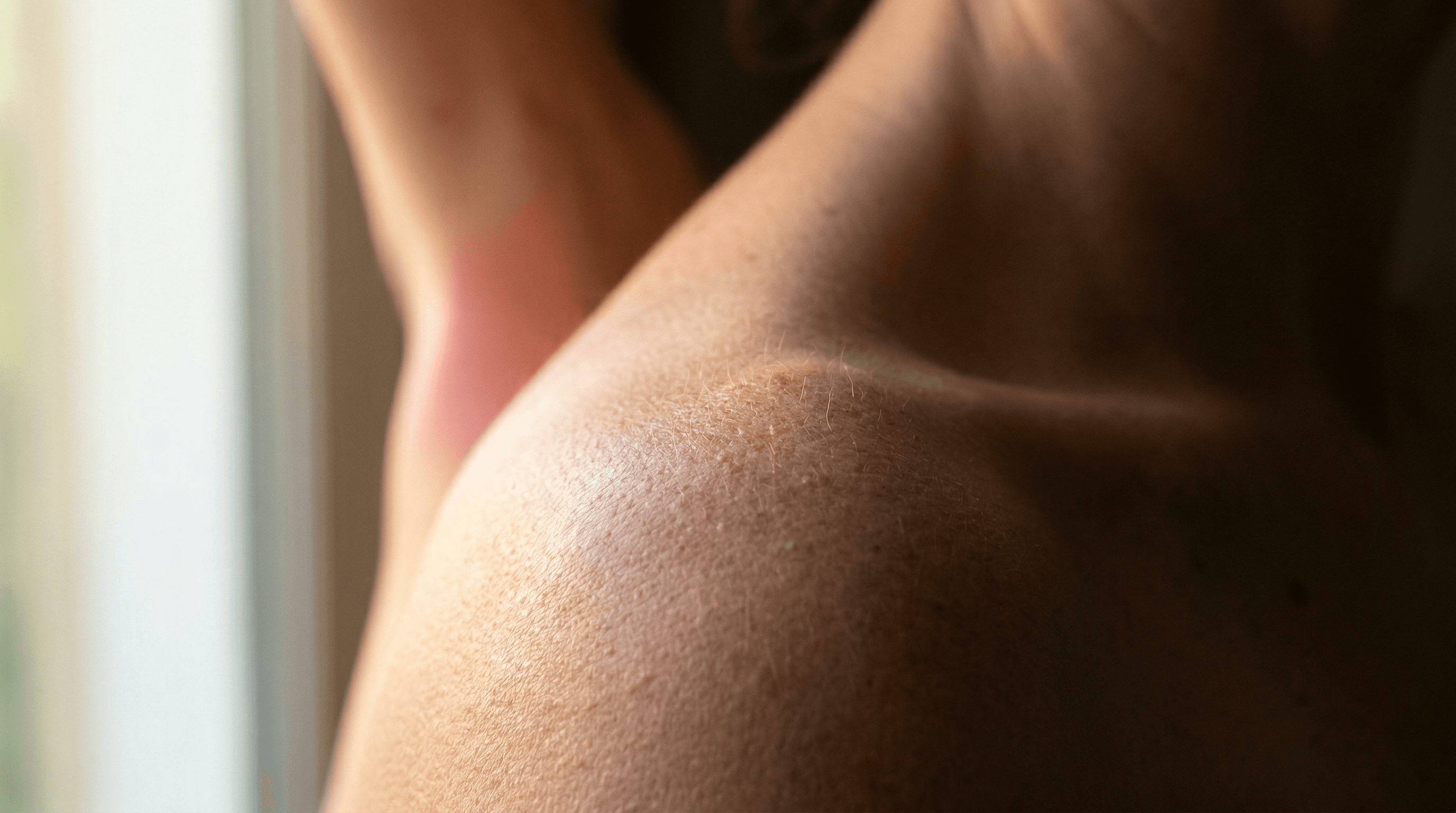
Skin hydration typically improves across the body. Redness and irritation decrease. Chronic dry skin begins resolving.
Week 2-4
Fine lines typically begin to fade. Skin texture becomes visibly smoother. This is typically when changes become noticeable to others.
Month 2-3
Full effects typically visible at this stage. Hair thickening commonly becomes visible. Collagen density measurably improved.
Systemic anti-inflammatory, skin improvement everywhere, tissue repair, and hair growth. The injection form delivers GHK-Cu throughout the body, not just where you apply it. This is the form most researchers focus on.
Injection protocols
| Protocol | Dose | Frequency |
|---|---|---|
| Anti-aging | 1-2mg | Daily |
| Tissue repair | 2-3mg | Daily |
| Hair restoration | 1-2mg | Daily |
| Anti-inflammatory | 1-2mg | Daily |
Protocols are from published research literature. This is not medical advice. Dosing should be determined by a licensed clinician.
What people report
Reduced systemic inflammation. Many report feeling noticeably better, improved sleep quality and mood.
Skin hydration typically improves across the body. Redness and irritation decrease. Chronic dry skin begins resolving.
Fine lines typically begin to fade. Skin texture becomes visibly smoother. This is typically when changes become noticeable to others.
Full effects typically visible at this stage. Hair thickening commonly becomes visible. Collagen density measurably improved.
What to know
- ⚠Consult a healthcare provider before starting GHK-Cu injections
- ⚠May temporarily increase skin purging (breakouts) in weeks 2-4 before improvement
- ⚠Monitor for injection site reactions
- ⚠Not recommended during pregnancy or breastfeeding
- ⚠Use caution if on blood thinners due to its effect on blood vessel growth
How GHK-Cu works
GHK-Cu binds copper ions and delivers them to cells, activating pathways involved in collagen production, antioxidant defense, and tissue remodeling. Research shows it modulates the expression of over 4,000 genes, many related to wound healing, immune response, and inflammation. It promotes new blood vessel formation and increases production of decorin, a protein essential for skin structure.
Key benefits
- ✓Reduces systemic inflammation
- ✓Promotes collagen synthesis and skin regeneration
- ✓Accelerates wound healing and tissue repair
- ✓Supports hair growth and thickness
- ✓Modulates 4,000+ genes related to aging
- ✓Restores a naturally declining peptide
Regulatory status
Injectable GHK-Cu is FDA Category 2. Not currently scheduled for FDA pharmacy compounding advisory committee review. Topical GHK-Cu is already Category 1 and can be legally compounded.
KEY RESEARCH · 4 PAPERS CITED
The Pep Dispatch
Follow the evidence on GHK-Cu as it evolves.
Subscribe to find out what.
Next dispatch · May 2026 · Honest frequency: a few times a month
For the people who want to feel better — not just look up symptoms.